

In 2019, the Sami Parliament appointed a working group tasked with proposing ways to safeguard and develop Sámi traditional knowledge. The group has now delivered its report, in which they propose that the Sami Parliament prioritise 8.1 million for the development of Sámi traditional knowledge.
Photo: Torun O. Werneberg
The working group has consisted of representatives from Sami institutions that work with traditional knowledge.
Traditional knowledge is the foundation of our culture, and now it's time for the Sámi Parliament to invest resources in continuing this knowledge. In our report “Máttuid árbi boahtteáigái” ("Our Heritage for the Future") we present concrete proposals on how Sámi society and the Sámi Parliament can solve today's challenges in preserving traditional knowledge for future generations, says head of the working group Anne May Olli.
In connection with its work, the working group has held meetings with institutions and stakeholders throughout the Sámi region and has concluded that traditional knowledge is important for local identity and that the anchoring of this knowledge locally is very important for both feelings and belonging.
– We wish to emphasise that traditional knowledge is local knowledge that belongs to the areas in which it is practised. In our proposal, we have taken this into account when suggesting that current local institutions and other actors working with traditional knowledge should be given the opportunity to collaborate more to develop professionally in various networks. In addition, we propose the establishment of a dedicated professional body, Sámi árbemáhttogáldu, which will, among other things, serve as a link and resource centre for collaboration between local actors, says Olli.
The working group proposes in its report that the Sámi Parliament must, to a significantly greater extent than is currently the case, prioritise Sámi traditional knowledge in the coming years.
- The working group proposes that a new body, Sámi árbemáhttogáldu, be established to help strengthen work on Sámi traditional knowledge at the local level. Sámi árbemáhttogáldu will be the point of contact for other institutions, such as municipalities and schools, to obtain information and data on Sámi traditional knowledge. It is proposed that NOK 2.6 million be allocated for the establishment of Sámi árbemáhttogáldu.
- The working group proposes that networks be established for árbediehtu that are awarded operational grants. The networks can consist of various árbediehtu actors locally or regionally, or be professional networks of actors, for example, a sea Sámi network or networks for árbediehtu within the fields of construction or boat building. A sum of 1.5 million kroner is proposed for the establishment of these networks.
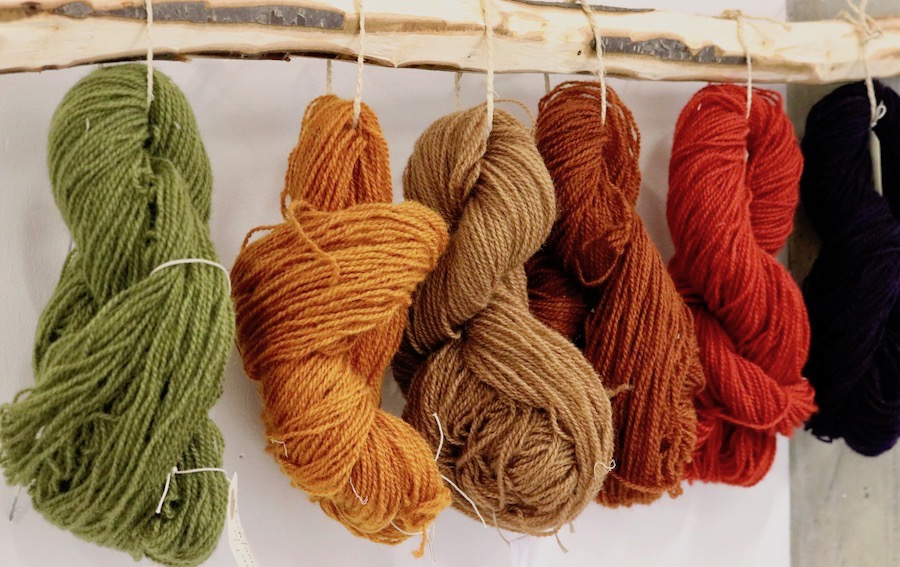
- The working group proposes that the Sámi Parliament should finance duodji centres in the same way as local language centres are currently financed. The duodji centres should be open and beneficial to everyone in their local community. The working group believes it is important to facilitate the preservation, protection, and revitalisation of duodji as árbemáhtto (traditional knowledge) in the various Sámi communities. Until now, the Sámi Parliament has only prioritised duodji as a business. Many people engage in duodji, and duodji is important for the entire Sámi population. It is therefore time that everyone can now access resource centres for duodji. It is proposed that 3 million Norwegian kroner be allocated for the start-up of local duodji centres.
- The working group also proposes that the Sámi Parliament establish a grant scheme for various árbemáhttu projects. It is proposed that at least 1 million Norwegian kroner be set aside for the grant scheme.
- The working group further believes that the Sámi Parliament must consider how Sámi traditional knowledge is safeguarded by the Sámi Parliament itself, and challenges the Sámi Parliament to improve its internal work.
Sámi Parliament Council Hans Ole Eira, who has received the report from the working group, says that the proposals in the report look exciting.
- The Sami Council has commissioned this report from professionals with extensive knowledge in the field and looks forward to reading the professionally substantiated proposals the working group has put forward. The working group has worked within the mandate we have given them and responded to our challenges. Traditional knowledge is very important for Sami culture, and this work points to how we shall carry this knowledge with us into the future. The next step from the Sami Council's side is now to consider whether to bring this entire proposal, or parts of the proposal, as a separate matter to the Sami Parliament's plenum, says Eira.
The reports The Sámi heritage for the future
Working group for Sámi knowledge:
Leader: Anne-May Olli, RiddoDuottarMuseat, amo@rdm.no, 40601986
Deputy Chairperson: Harrieth Aira, Árran, harrieth.aira@arran.no,99047356
Kjellaug Isaksen, Centre for Northern Peoples, kjellaug@nordligefolk.no, 47370934
Solveig Joks, Sámi University College, solveig.joks@samiskhs.no, 90724669
Svanhild Andersen, Mearrasiida, svanhild.andersen@mearrasapmi.no,95791356