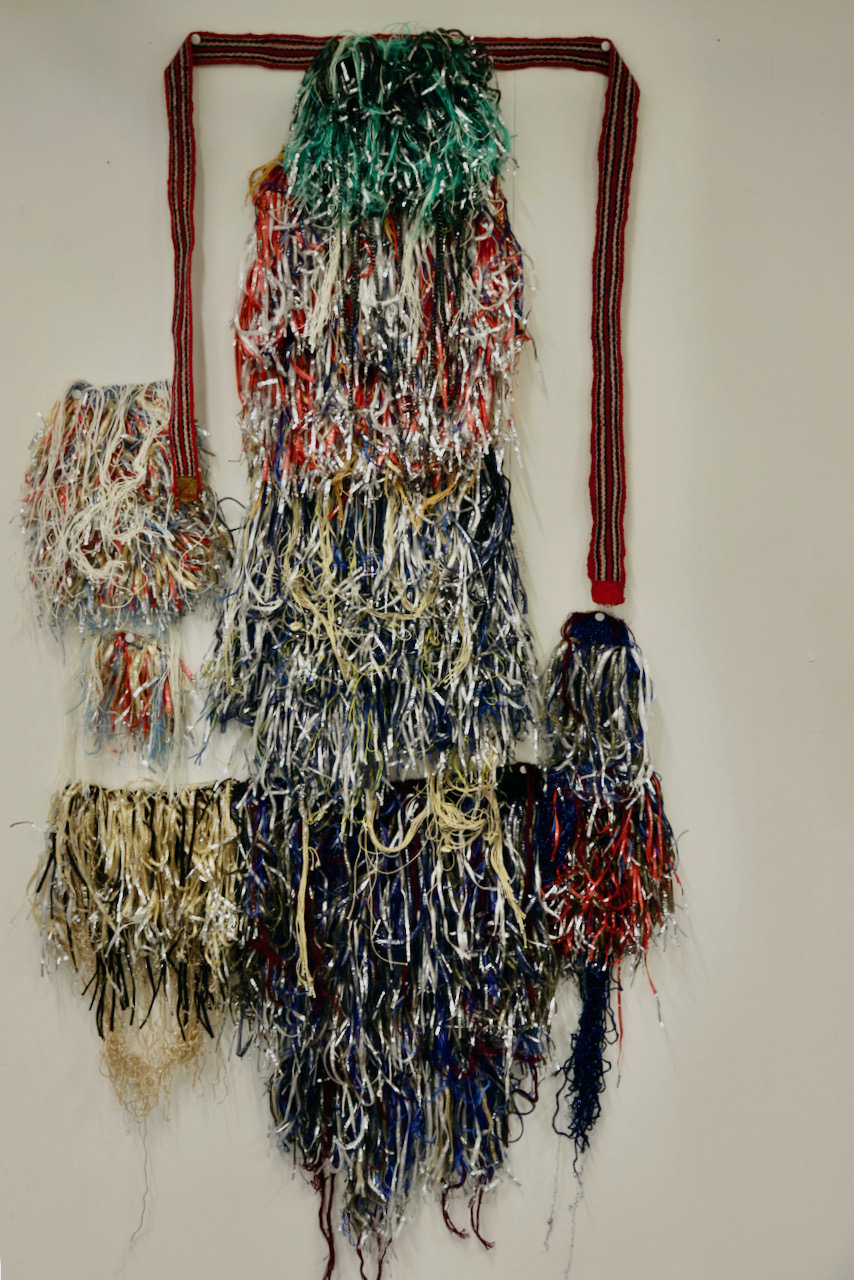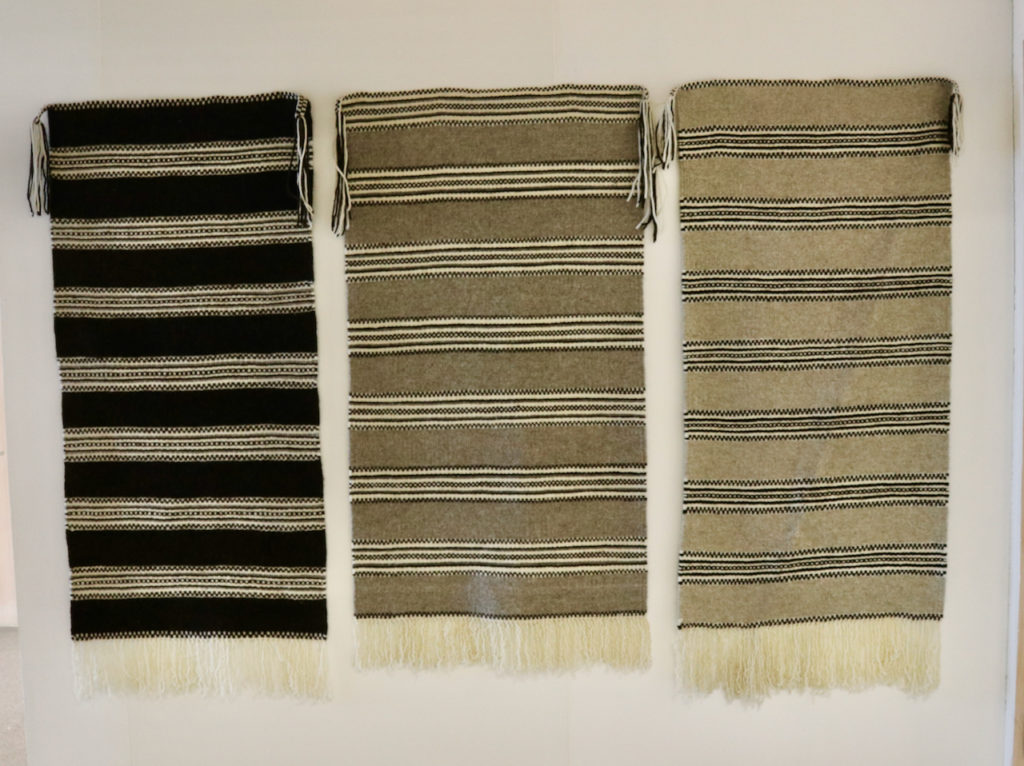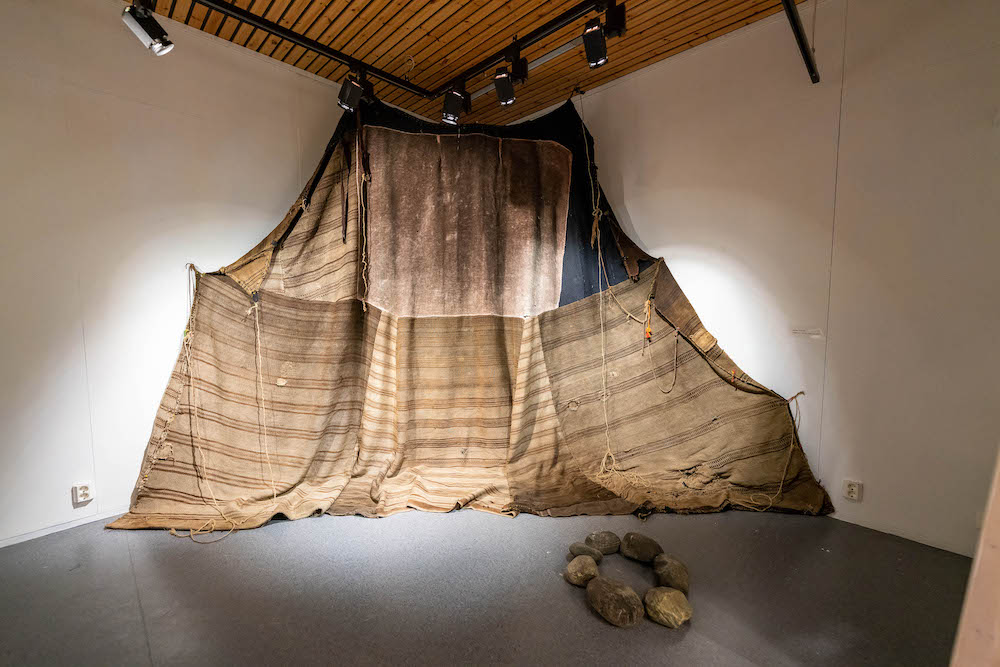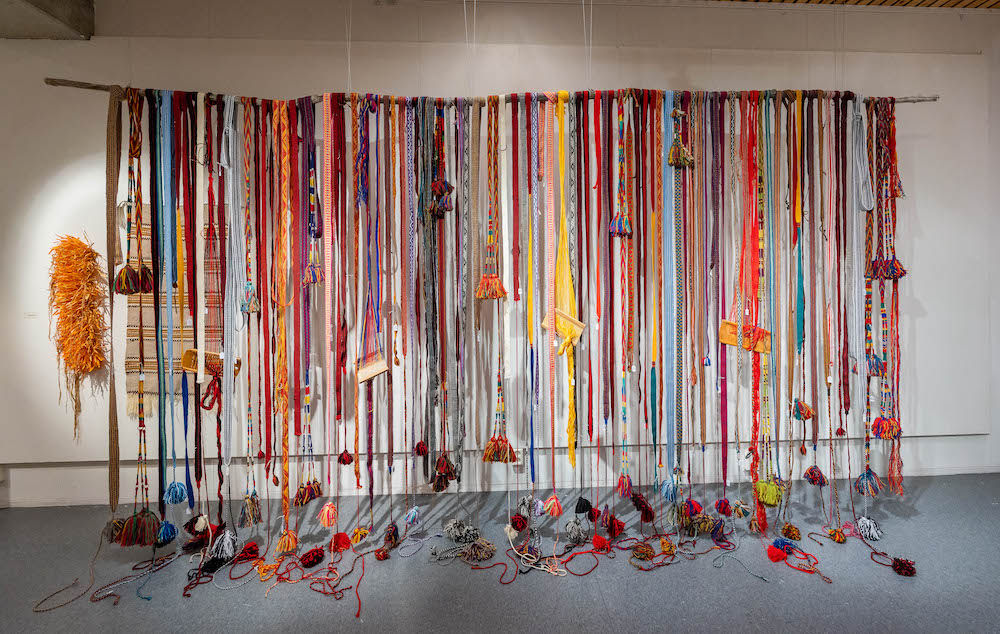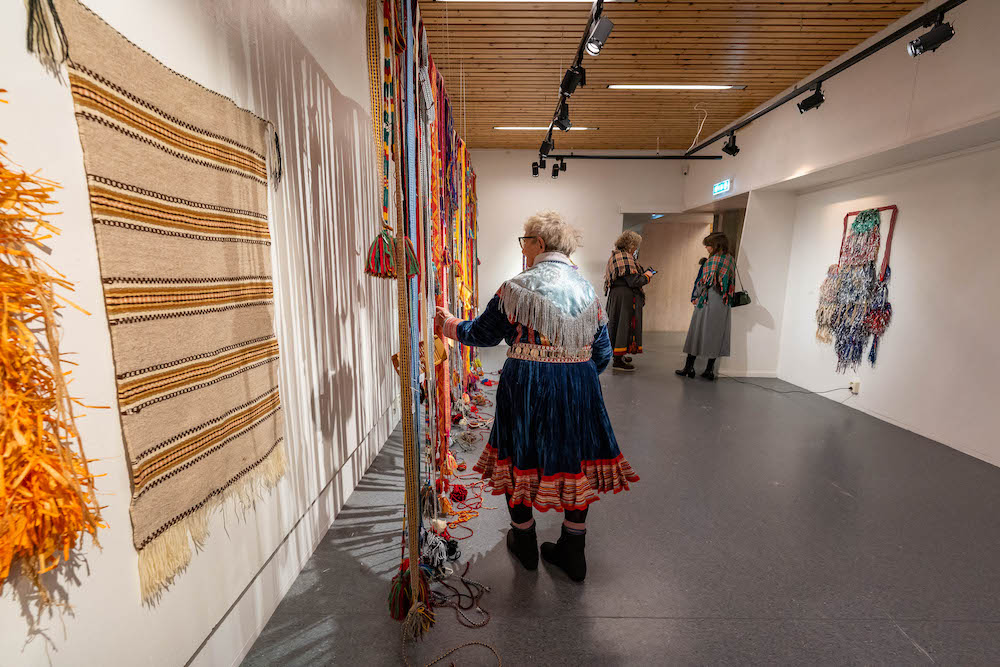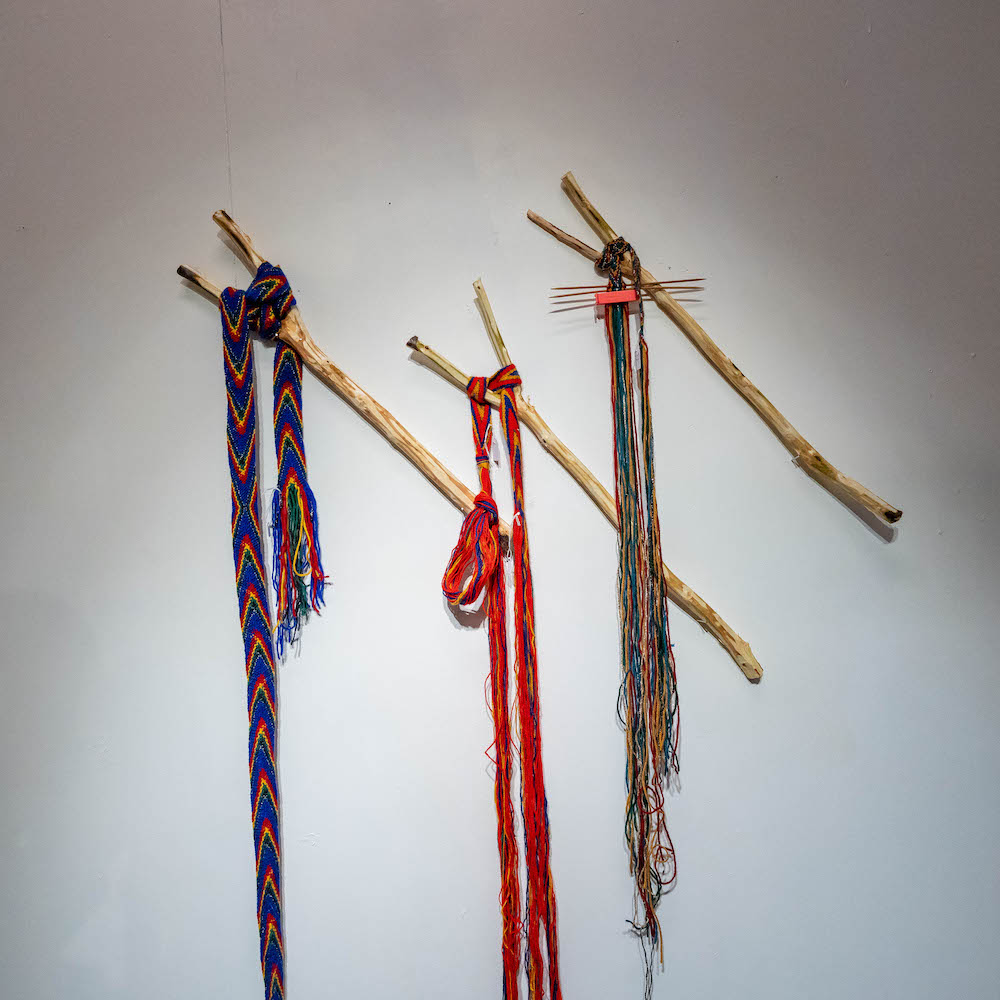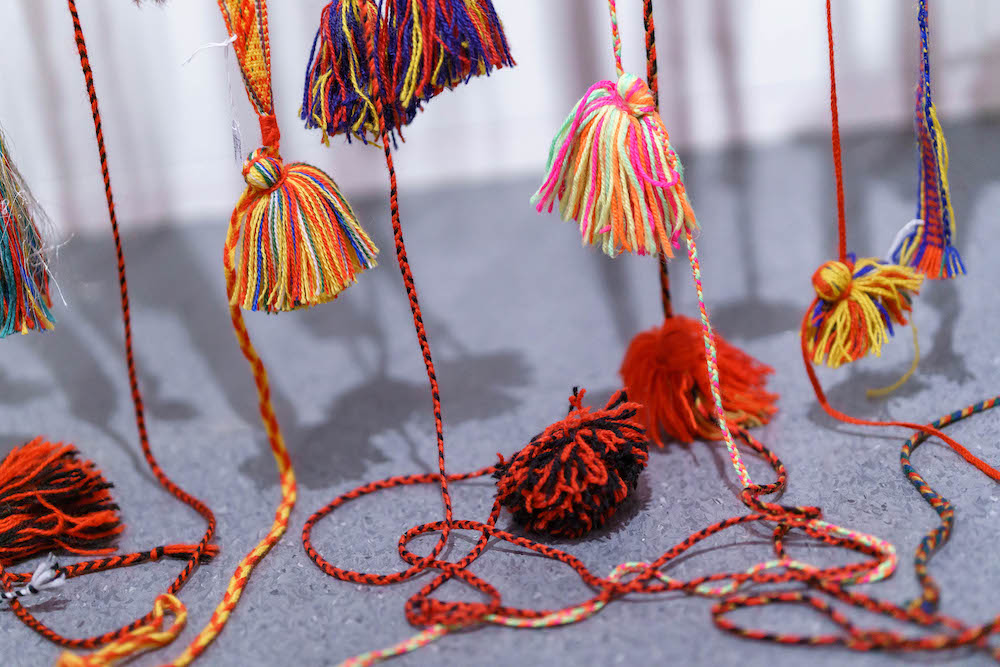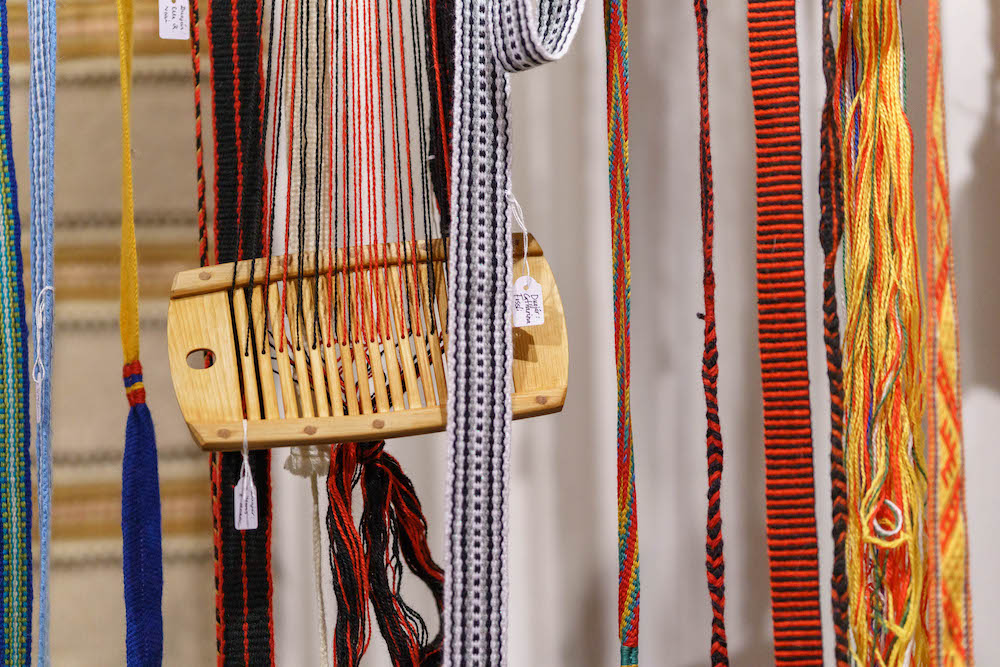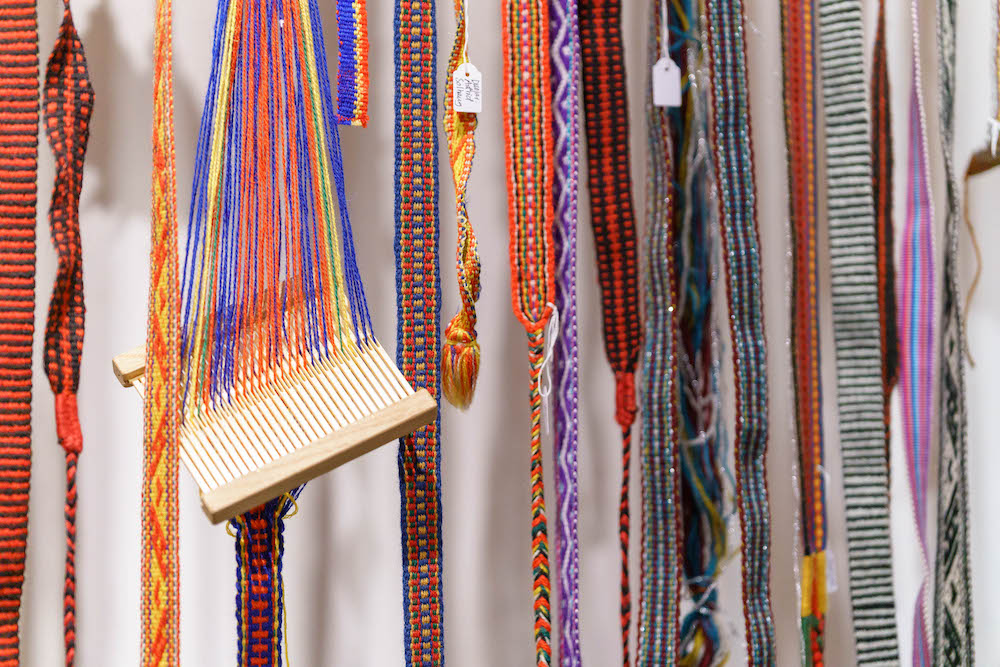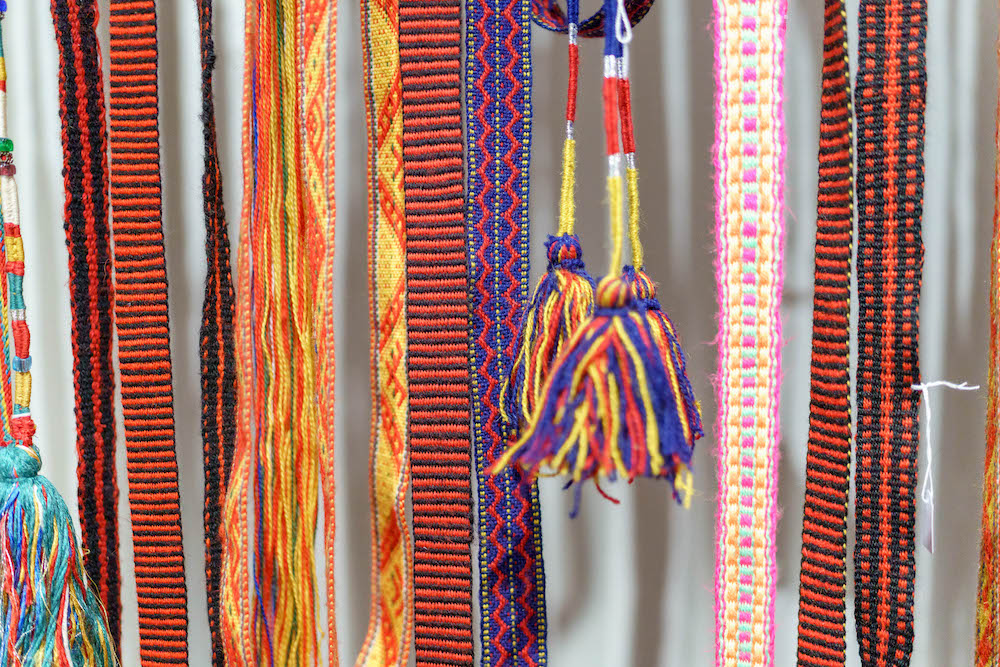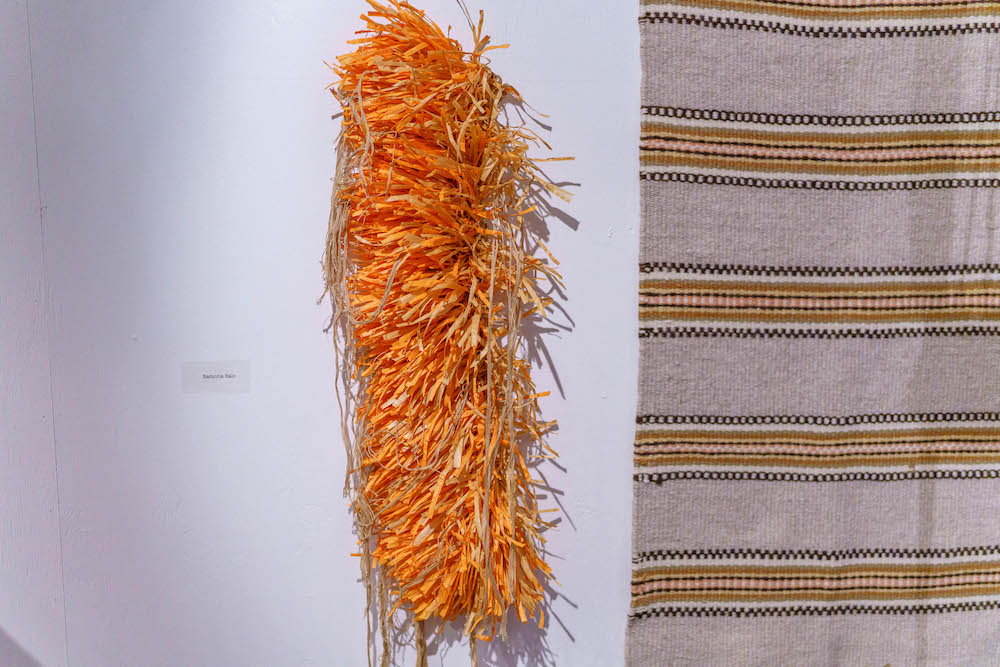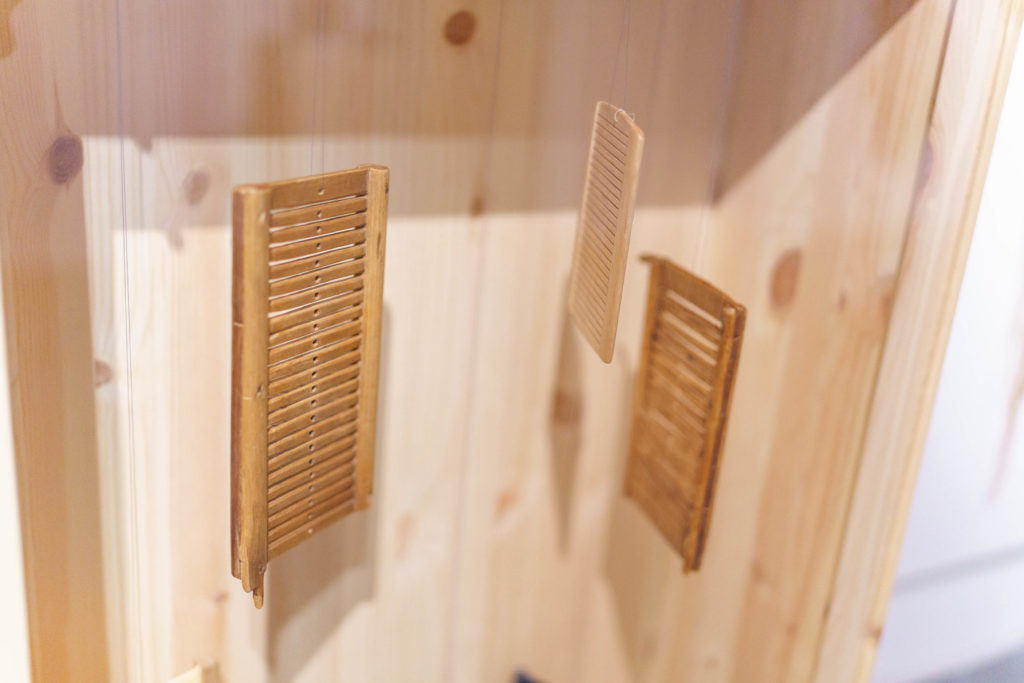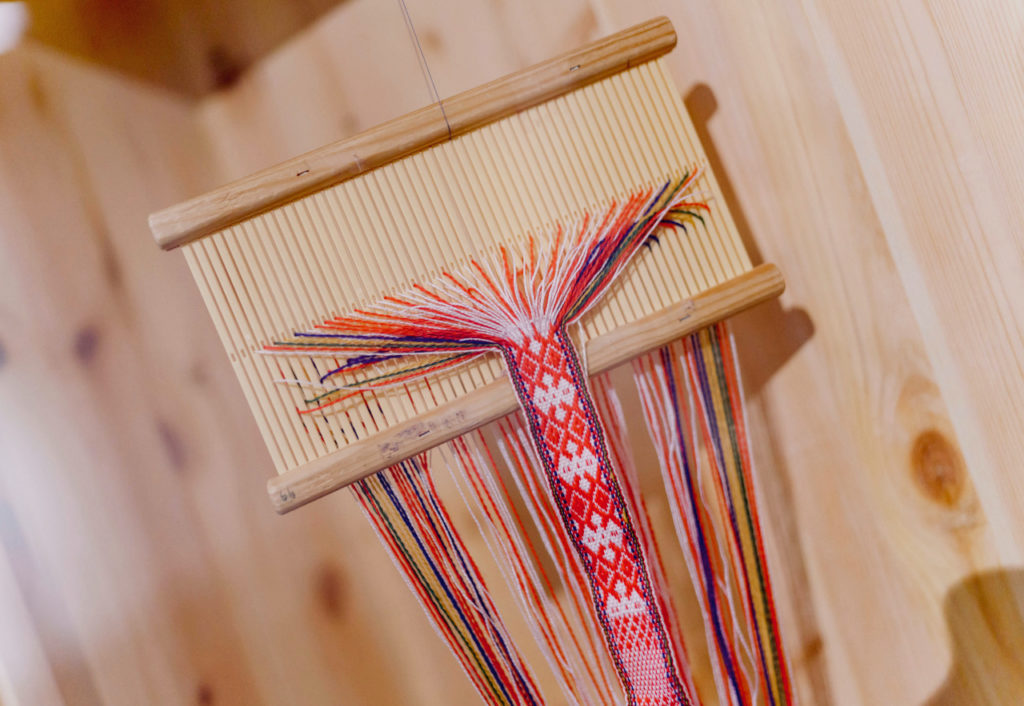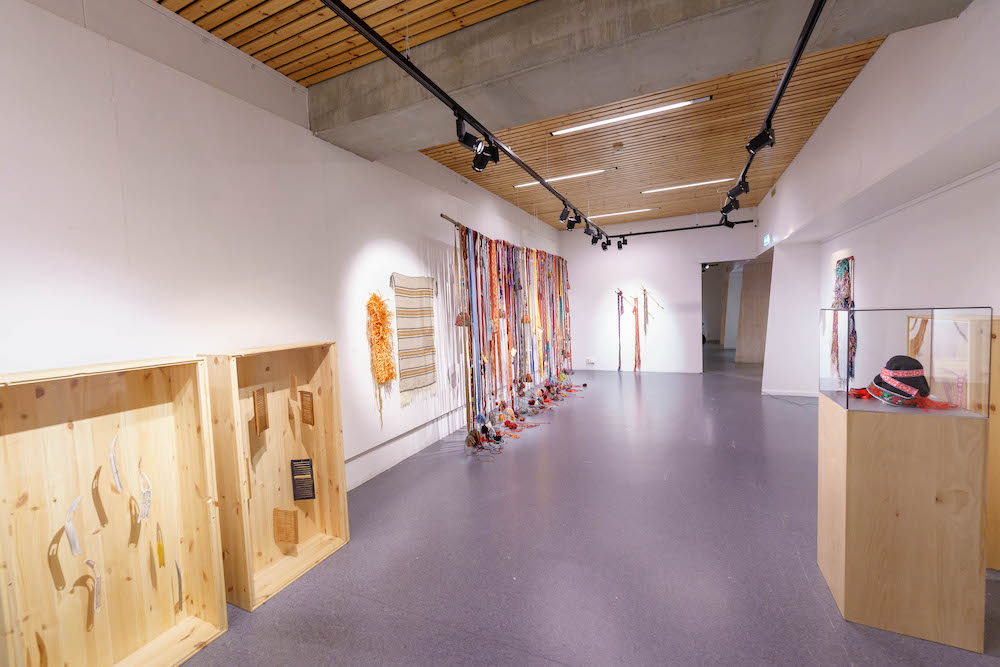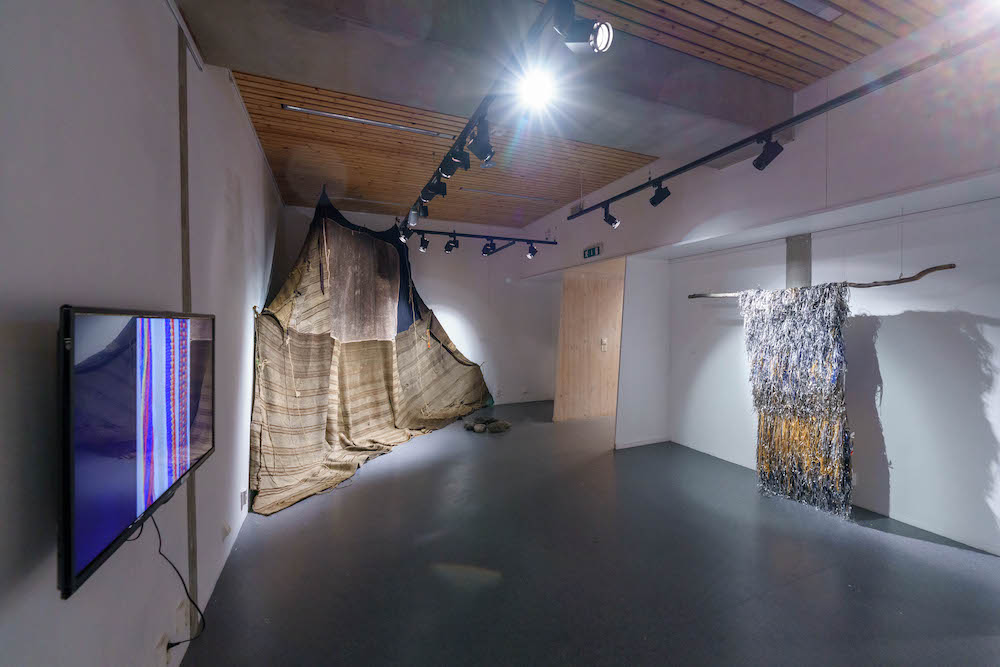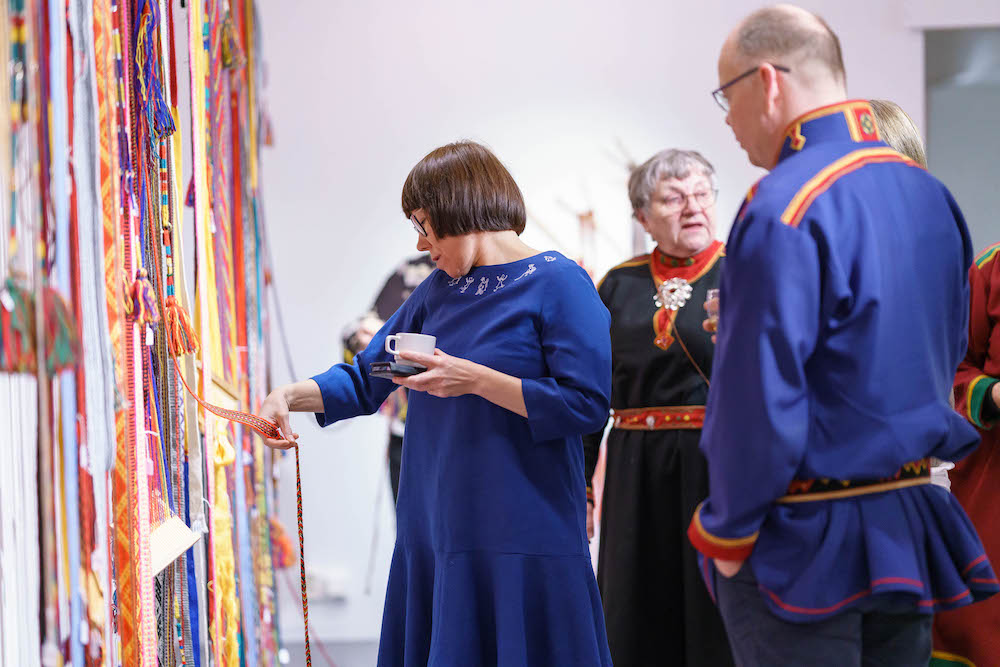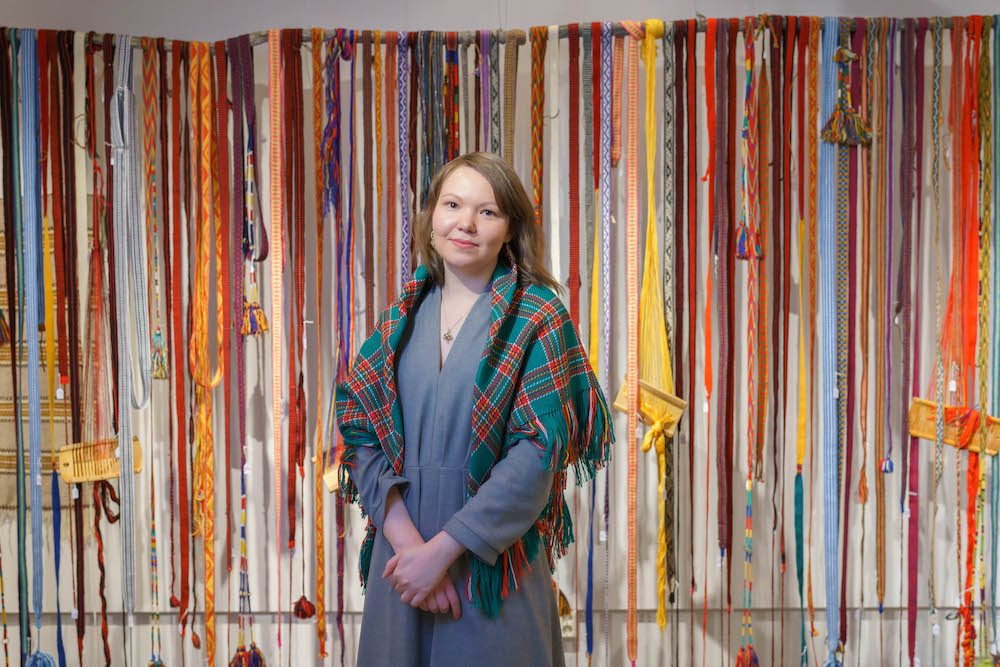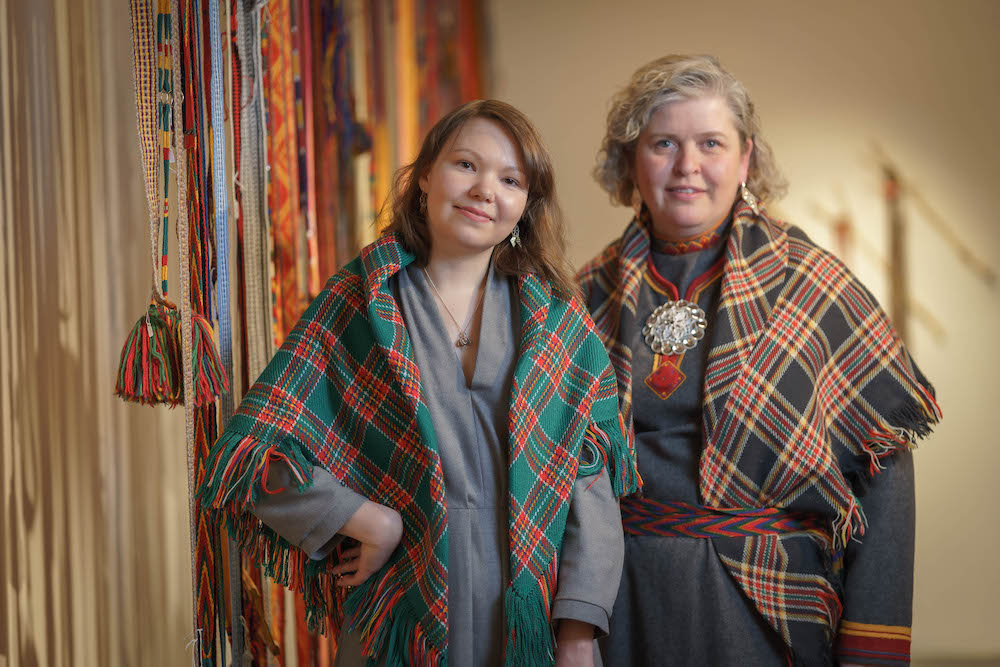
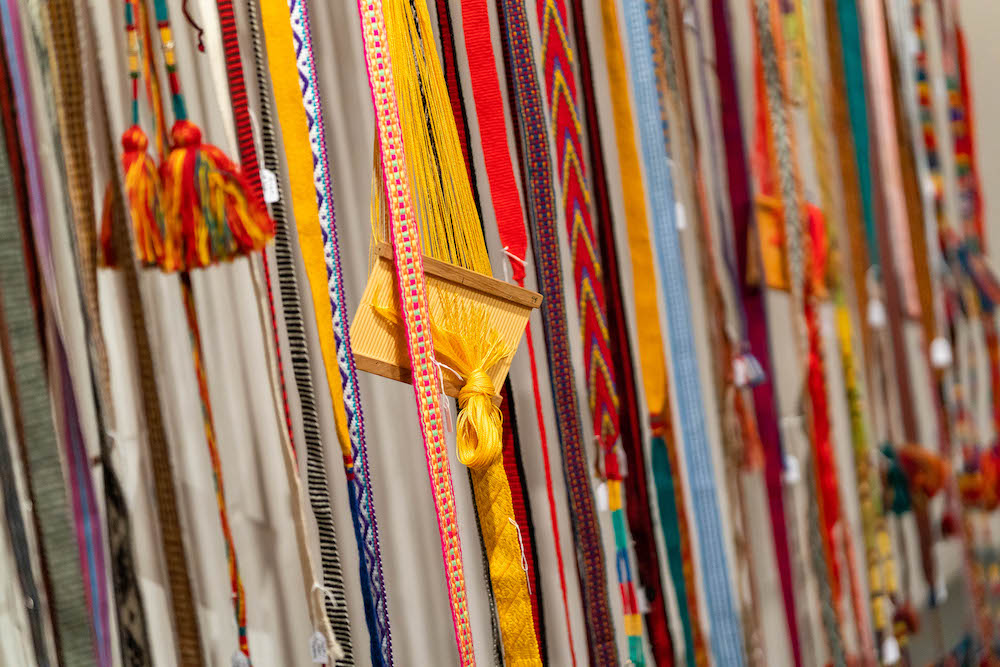

The exhibition Gođđin: hearvás árbi/ Weaving: colourful and diverse cultural heritage showcases weaving as a living cultural heritage in our area, through a selection of weaving techniques, materials, patterns and colours. The exhibition showcases the diversity of traditional weaving techniques and the continuation of the weaving that has always had a central place in our duodje traditions. Today, there is great variation in the patterns and colours used in weaving, but the old techniques remain the same.
What: Exhibition: Gođđin: hearvás árbi / Weaving: colourful and diverse cultural heritage
Where: Davvi álbmogiid guovddáš / Centre for Northern Peoples, The Gallery
When: Friday 4 February, 19:00
Exhibition period: 04.02.2022 – 30.06.2022
Curator: Ramona Salo Myrseth
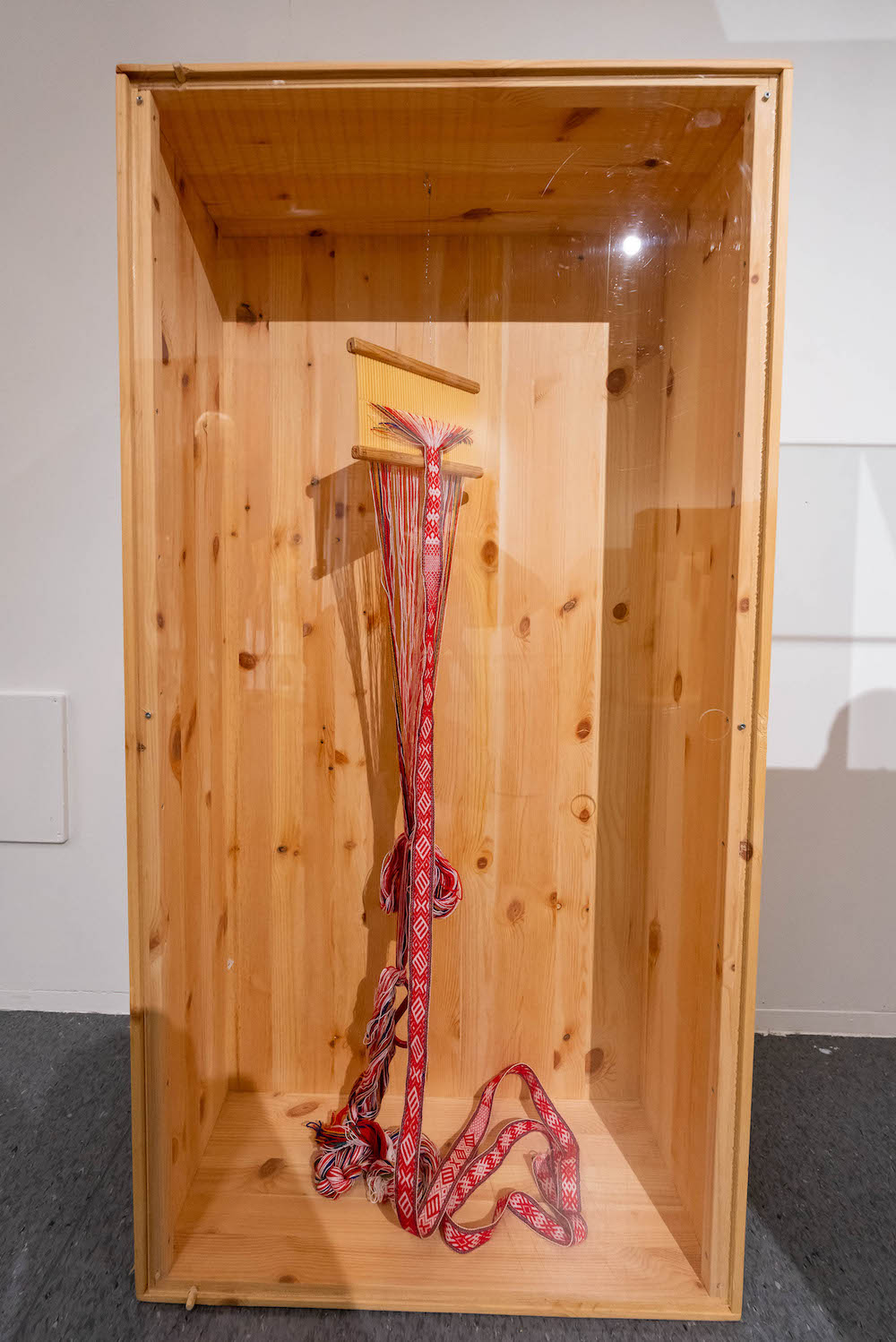
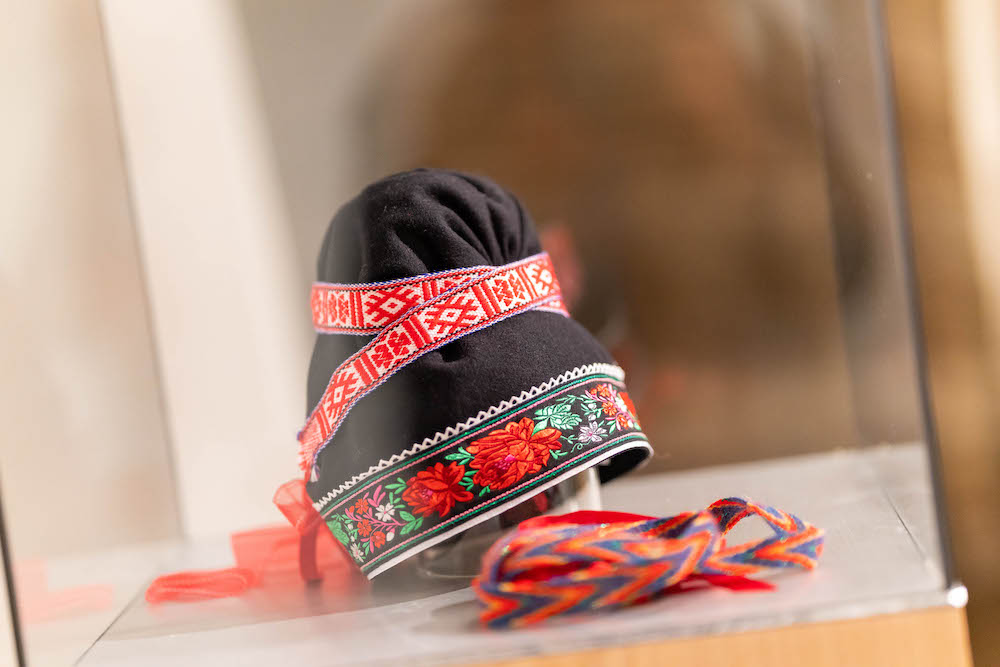
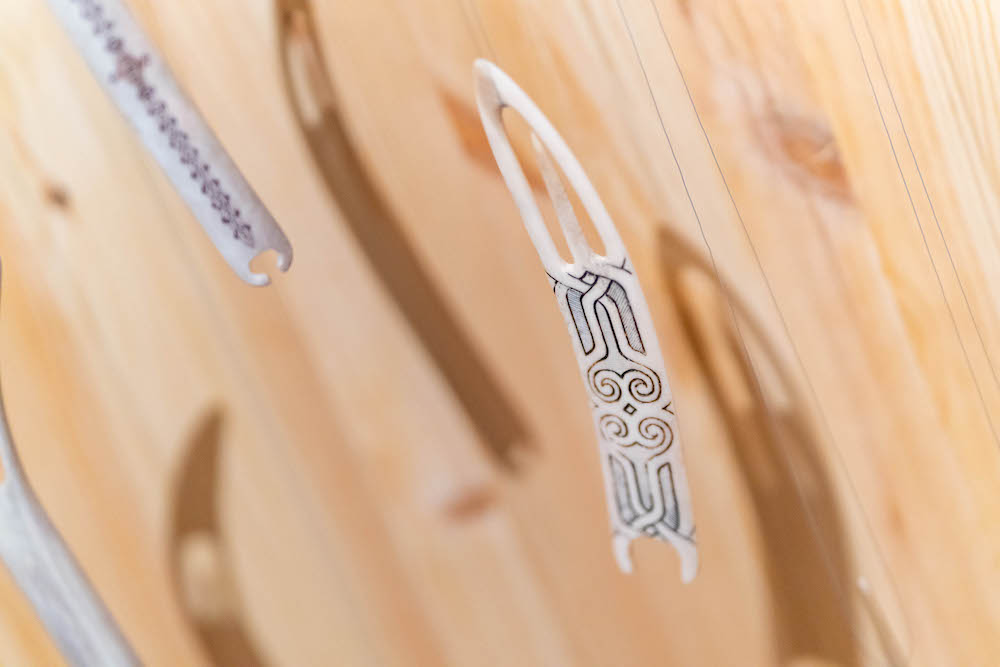
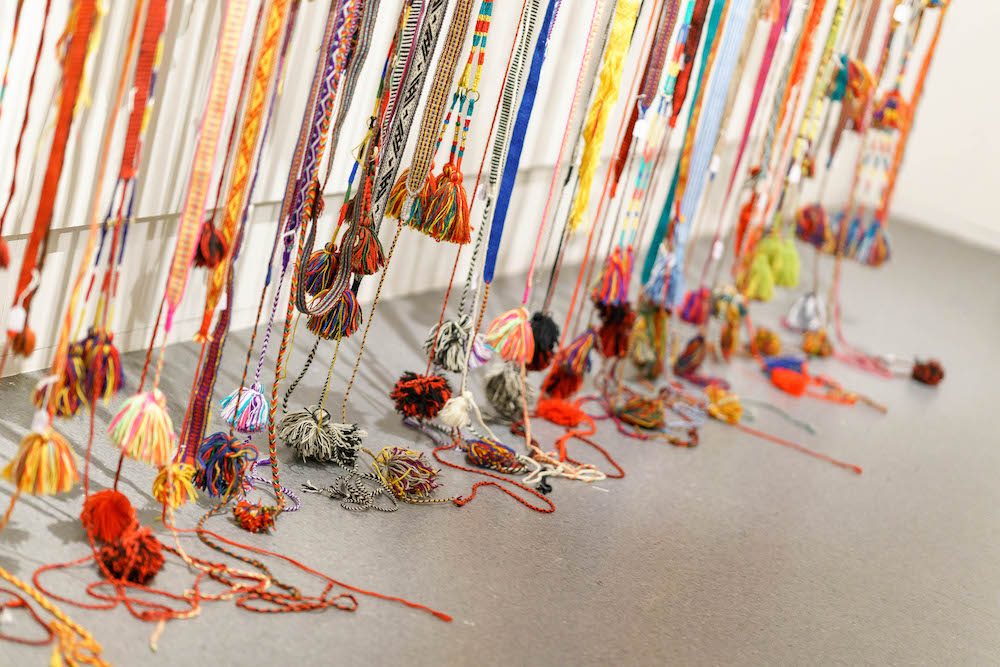
Access to wool has been essential for weaving, and woven items have been of great importance in our clothing traditions, as carpets in homes and on journeys, and economically in natural households. Traditional weaving techniques require simple tools; the simplest weaving technique is luohttat - a plaiting technique that requires no special tools. Niikun/bandgrinda is a simple weaving tool that has been used for centuries and has traditionally been made by skilled craftsmen in the villages. Komagbands, gehcanbáddi/beltbands and other bands, both simple and patterned, were woven on the niikun; braided komagbands and gehcanbáddi/beltbands are also used in women's clothing traditions. You could decorate yourself with pretty ribbons, and worn-out komag ribbons in particular could be reused as, for example, binding ropes.
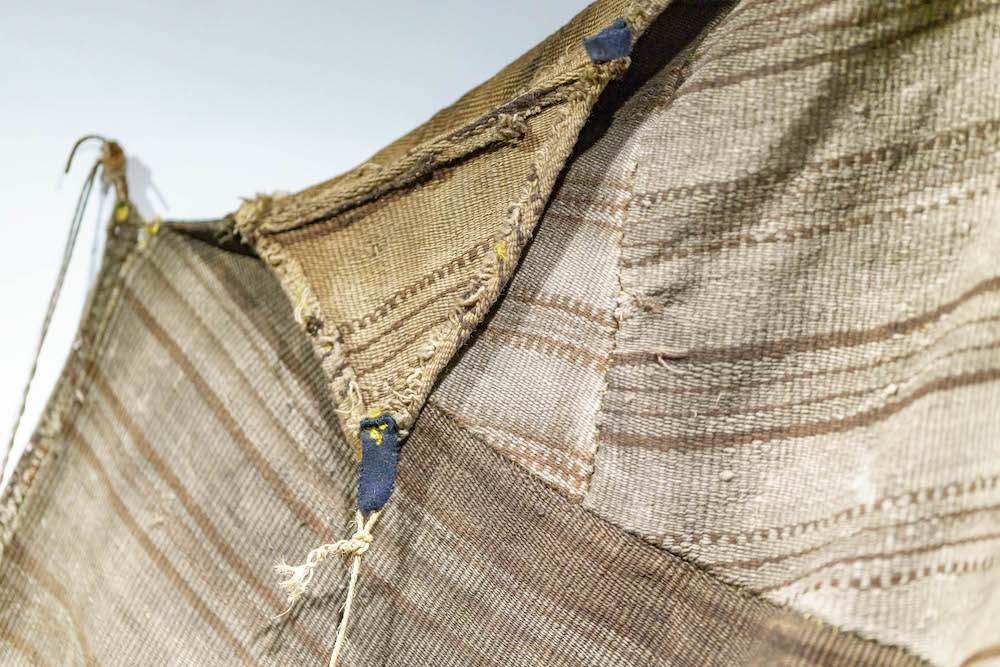
Rátnu/branches woven on a loom is one of our oldest and most important cultural expressions. These thick rugs were in demand and have always been an important commodity that made a significant contribution to the household economy in Sea Sami areas. Weaving on the more advanced flat loom eventually became part of home production, and clothes made from home-woven wadding were used both for work and more formal occasions, and traditional woollen shawls were also woven on the flat loom.
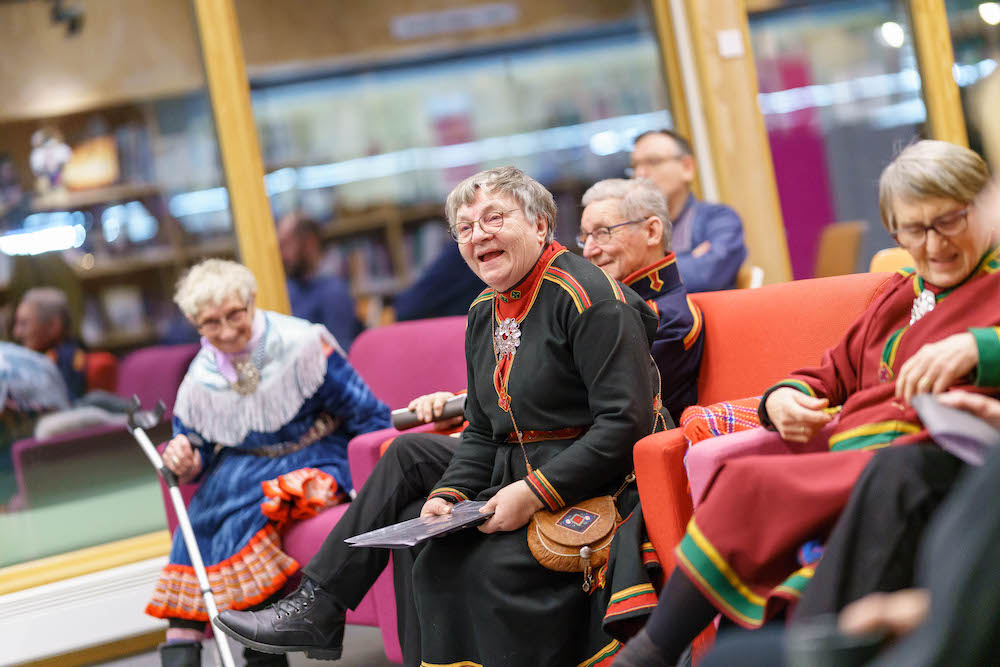
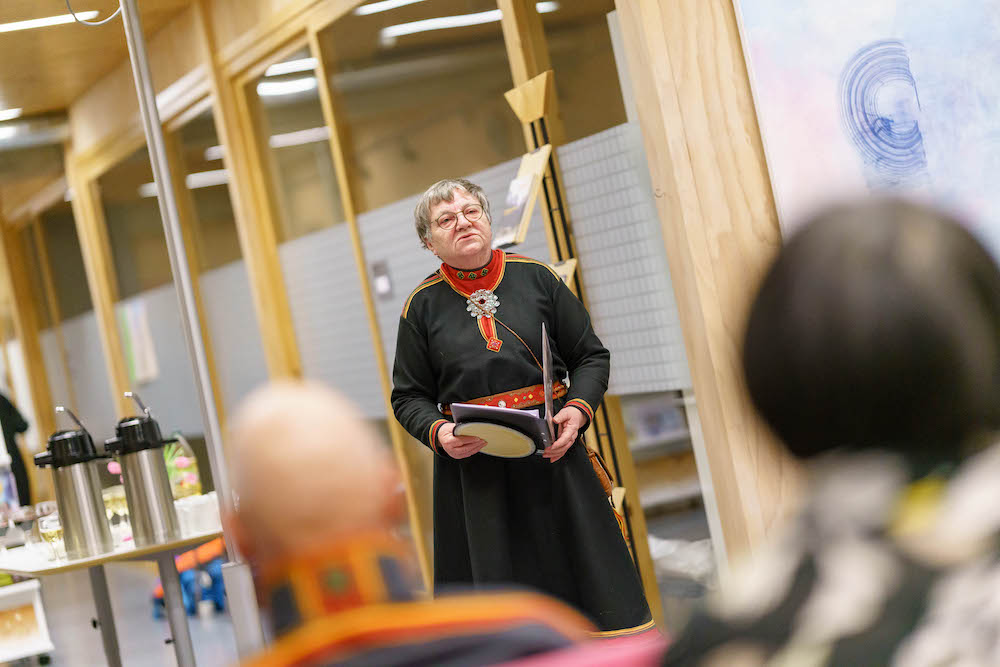
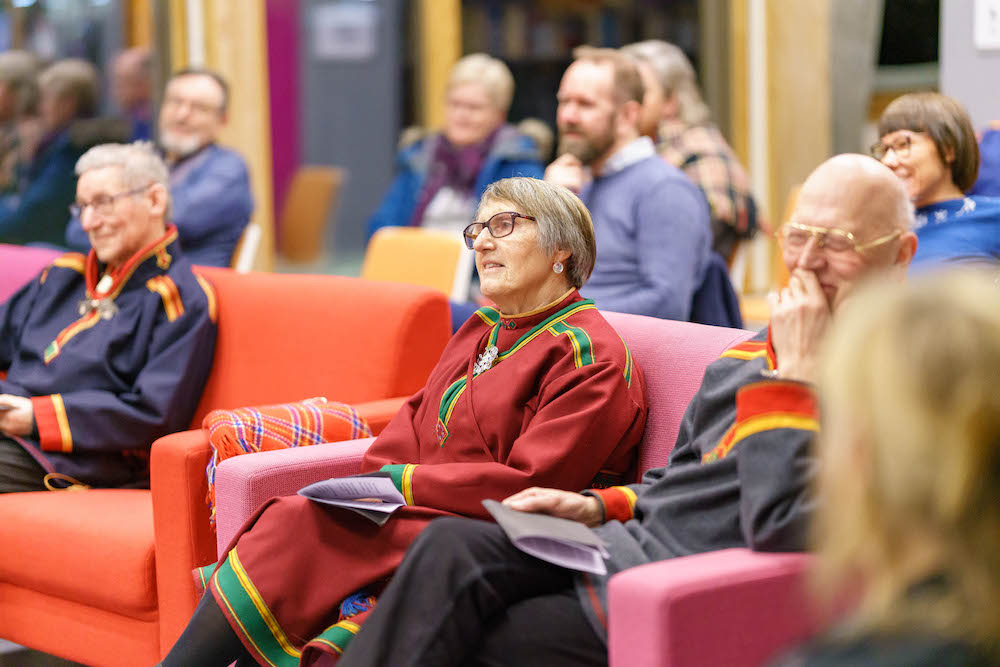
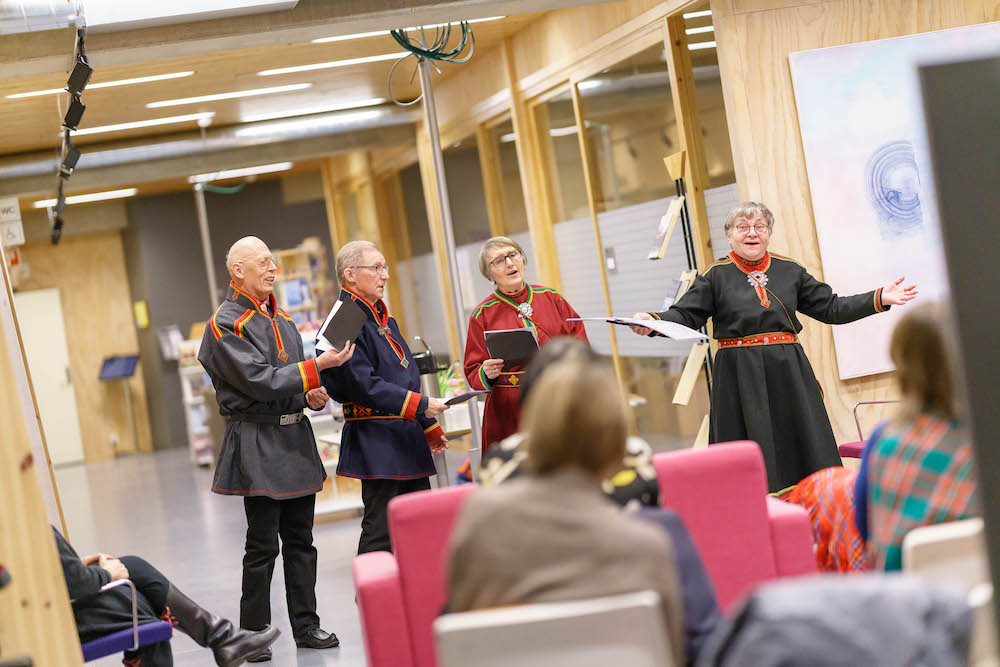
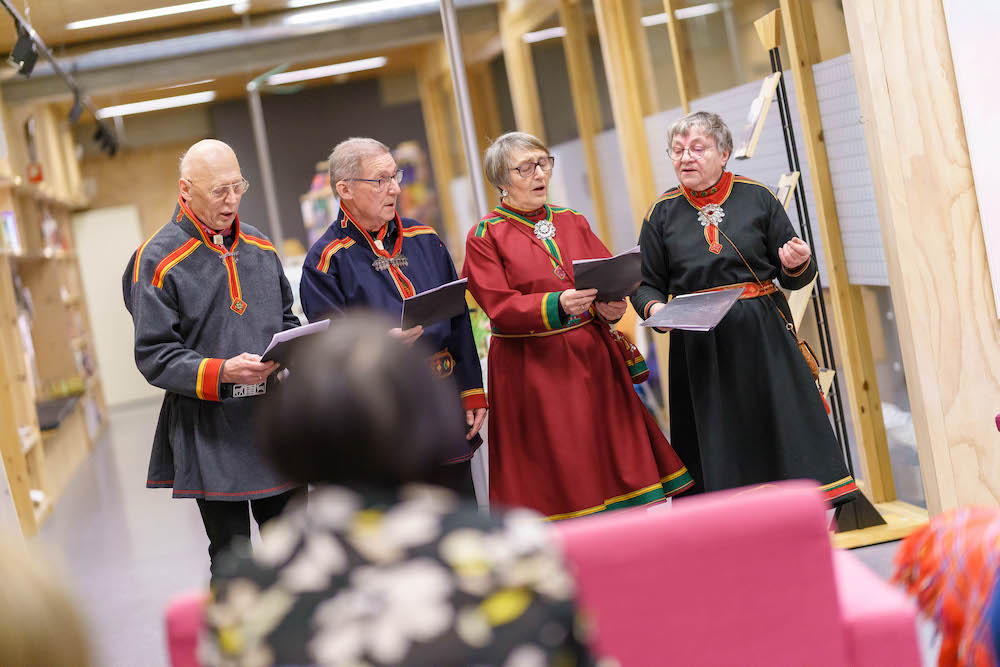
At the exhibition opening Gođđin: hearvás árbi/ Weaving: colourful and diverse cultural heritage, On 04 February 2022, Ruth Larsen gave a lecture on the Seaside Sámi woman's duodji years. Ruth's story was based on the duodji years of her áhkku, grandmother, Ellen Katrine Birgitte Henriksen, in Skardalen. The women knew exactly when to do things. They used the almanac and the anniversaries were important. When Michaelmas came, this and that had to be done. The same with e.g. Márjjabeaivvi, when things had to be finished or started. The duodji year began in September and was followed exactly year after year, different work started on the same day and had to last until the same time. All seasons had their specific chores, where the finished duodji was absolutely necessary for the whole family. The lecture gave us an important insight into the life and work of the Sea Sami women. Much of the traditional knowledge the women possessed is gone today. The insight into both the tangible and intangible cultural heritage that Ruth Larsen gave us is of great value to us today, and helps us to appreciate the importance of our own culture.
Thank you to Ruth Larsen and those she brought with her, Per Larsen, Vigdis Sakshaug and Idar Pedersen, who contributed some Sami songs from Skardalen. This old singing tradition is also in the process of disappearing.
Thanks to:
Duojárat - Weavers: Jorunn Løkvold, Ramona Salo, Asle Tveitnes, Edel Olsen, Inga P Buljo, Olaug Isaksen, Eva Solhaug, Astrid Solhaug, Oliva Nilsen, Elle R. Varsi, Hege Nilsen, Kjellaug Isaksen, Catharina Fossli, Torun Olsen Wernberg, Isabelle Lyshaug. And to other contributors: Eirin Roseneng, Janne Steinlien, Henrik Olsen, Hans Erik Olsen.
Read more about weaving traditions
Photo: Ørjan Marakatt Bertelsen